
Winter Care Guide: How to Maintain Your Human Hair Wig During Cold Weather.
Winter can be tough on hair—and human hair wigs are no exception. Between heavy clothing, dry air, and colder temperatures, your wig needs a little extra TLC. With the right human hair wig maintenance routine, you can keep your wig soft, smooth, and long-lasting all winter.
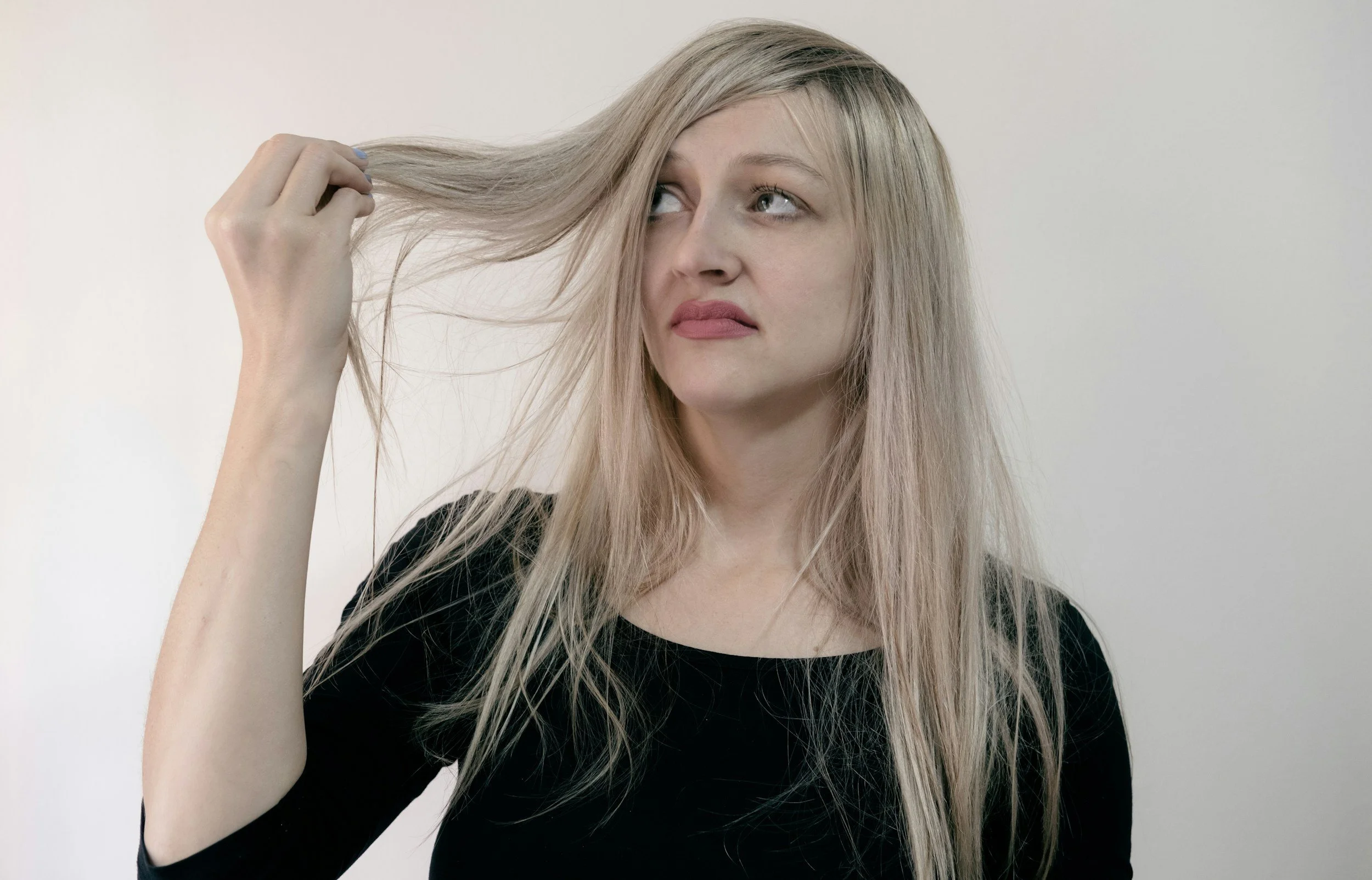
Why Winter Is Hard on Human Hair Wigs
Cold temperatures, indoor heating, and winter clothing all contribute to dryness, tangling, and friction. Since human hair wigs don’t receive natural scalp oils, they require intentional care—especially during winter months.
1. Brush More Often to Prevent Tangling and Shedding
Winter clothing like scarves, coats, hoodies, and polo necks creates friction at the nape, which can lead to tangled human hair wigs and shedding.
Human hair wig brushing tips
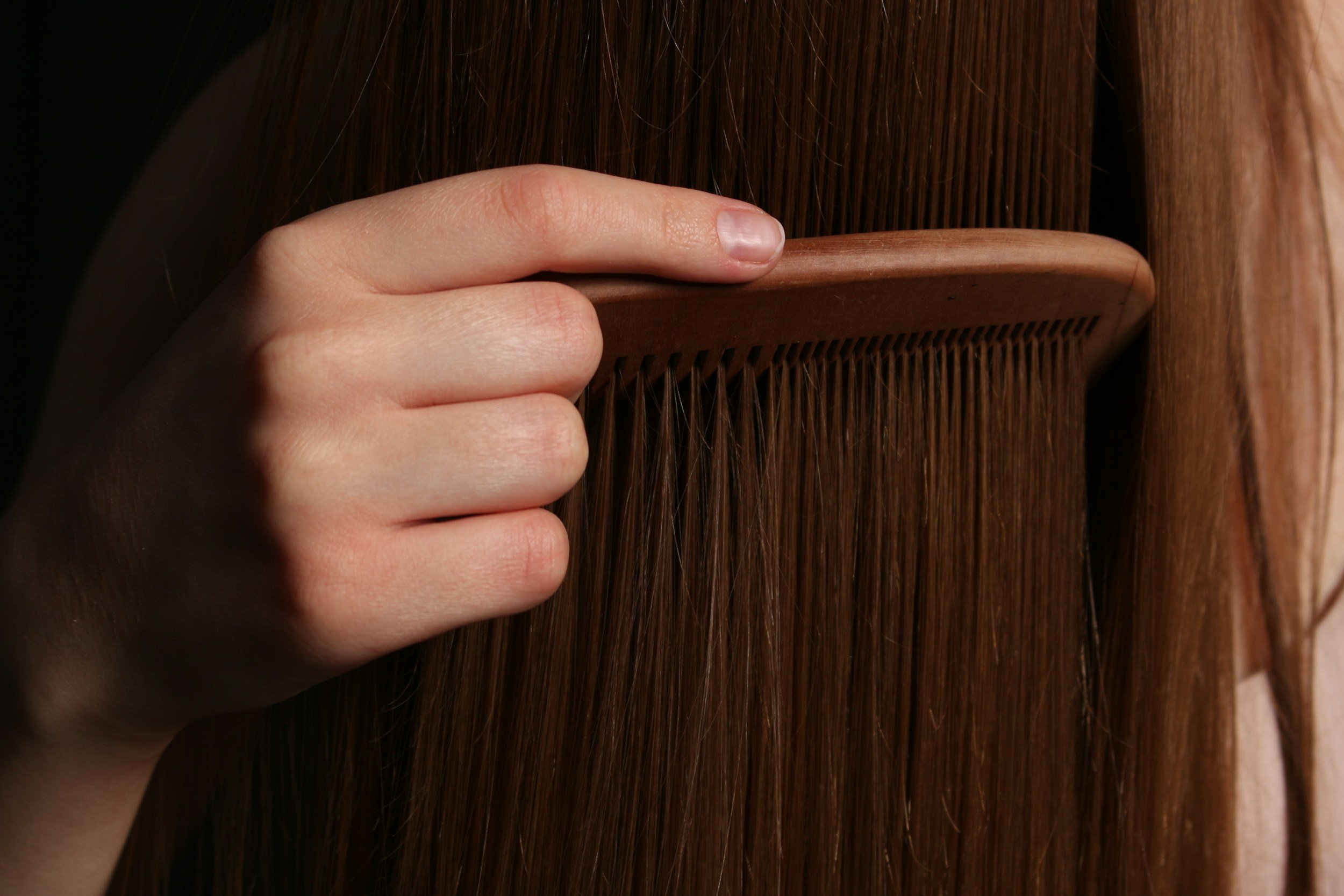
Brush your wig before and after each wear
Focus on the ends and nape area
Use a wide-tooth comb or wig-safe brush
Start at the ends and work upward to avoid breakage
Do not brush or comb anywhere near the or on the lace as it can damage it.
Frequent brushing is key for preventing matting in human hair wigs during winter.
2. The Correct Products is Essential for Human Hair Wig Care
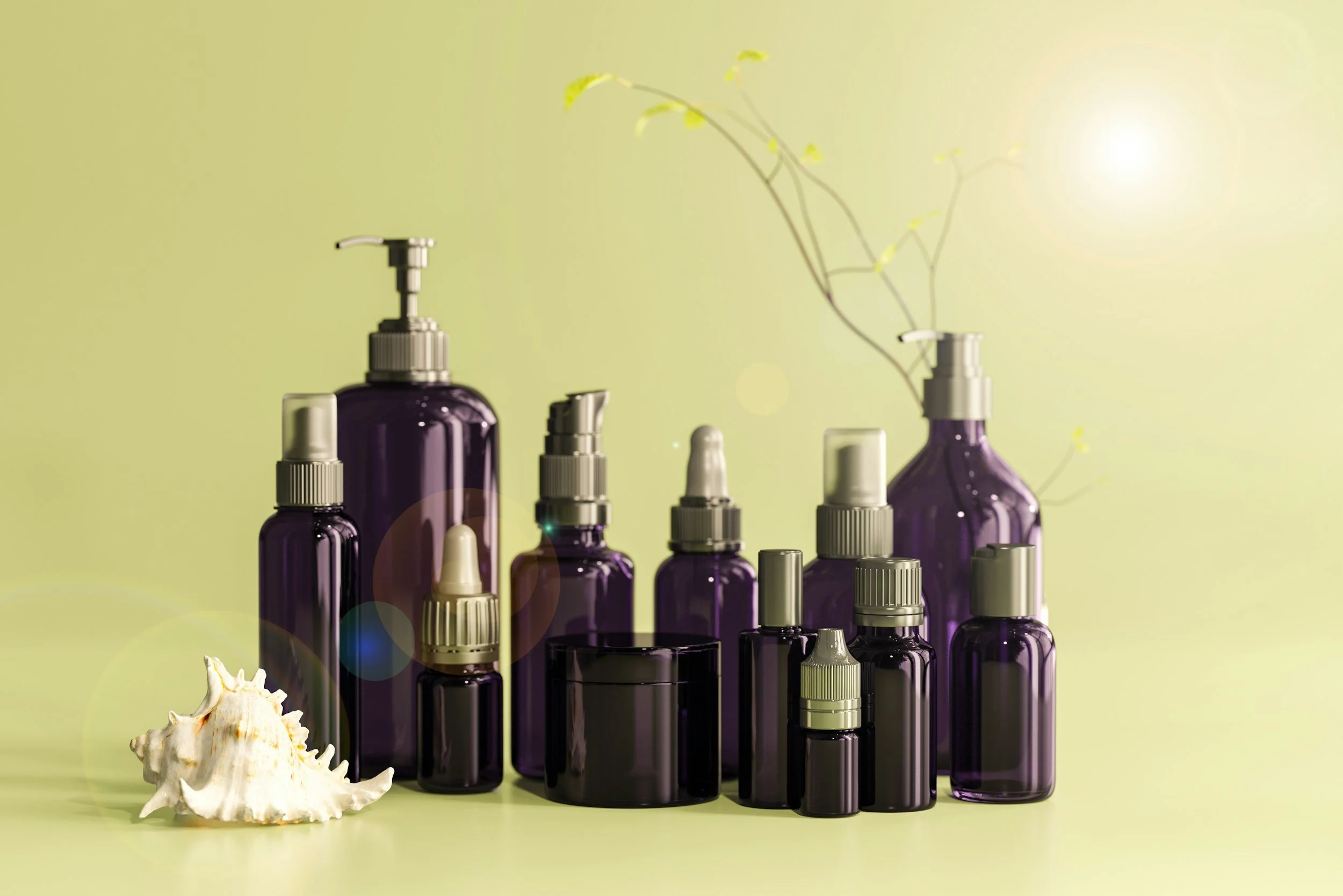
During winter, low humidity and indoor heating can quickly dry out human hair wigs, making moisturising care essential. Understanding how human hair wigs are processed and coloured helps explain why different wigs require different hair products to maintain softness, strength, and longevity.
Not all human hair wigs are created equal. One of the biggest differences between wigs is how the hair was coloured and processed during production. The colouring process directly affects the hair’s structure, which means different human hair wigs require different hair products to stay healthy, soft, and long-lasting.
Understanding this helps you choose the right products—and avoid unnecessary dryness, shedding, or breakage.
Coloured Human Hair Wigs: Extra Moisture Is Essential
Coloured human hair wigs—including brown, auburn, red, and custom shades—undergo a chemical colouruing process that slightly lifts the cuticle to deposit pigment. While beautiful, this process reduces some of the hair’s natural moisture.
Product needs for colored human hair wigs:
Use Salon Professional Coloured Hair Care products. Never comprimise!
Colour-safe, sulfate-free shampoo
Deep conditioning hair mask every wash
Moisturizing leave-in conditioner
Lightweight oils to seal hydration
Using the wrong and cheep hair products can lead to dryness and colour fading over time.
Blonde & Lightened Human Hair Wigs: High Maintenance, High Moisture
Blonde human hair wigs require the most processing. Dark hair must be lifted multiple levels to achieve blonde, platinum, or ash tones. This significantly alters the hair’s protein and moisture balance.
Product needs for blonde human hair wigs:
Deeply hydrating shampoo (low or no sulfates)
Rich hair masks with moisture and protein
Leave-in conditioners designed for damaged hair
Heat protectant (always)
Purple or blue shampoo (used sparingly as it can stain the hair)
Blonde wigs require heavier products and more frequent deep conditioning to prevent brittleness and breakage.
Highlighted & Balayage Human Hair Wigs: Targeted Care
Highlighted or balayage human hair wigs contain both processed and unprocessed strands. This means some areas are more fragile than others.
Product needs for highlighted human hair wigs:
Moisturizing, color-safe shampoo
Hair masks focused on the lightened areas
Leave-in conditioner concentrated on mid-lengths and ends
Avoid heavy clarifying shampoos—they can dry out the lightened sections faster.
Pale Blonde Human Hair Wigs: The Most Processed Hair Type
Pale blonde human hair wigs undergo the most intensive chemical processing possible. The cuticle is significantly altered, making this hair more delicate.
Product needs for 613 human hair wigs:
Ultra-moisturizing, sulfate-free shampoo
Deep conditioning mask every wash
Protein treatments (used carefully)
Rich leave-in conditioners
Minimal heat styling
613 hair requires professional-level care and consistent moisture to maintain softness and longevity.
This is why many established wig companies—including Ellen Wille, Gisela Mayer, and more—create their own human hair care products. These formulas are tailored to the specific needs of their wigs, taking into account the level of processing, colouring, and hair texture, ensuring the best possible performance and lifespan.
Why Using the Wrong Products Matters
Using lightweight products on heavily processed wigs can cause:
Dryness and stiffness
Excessive shedding
Breakage and split ends
Using heavy products on minimally processed hair can cause:
Buildup
Greasy appearance
Weighed-down hair
Matching products to the level of processing is key to extending the lifespan of your human hair wig.
3. Lock in Moisture After Washing
After washing, sealing in moisture helps protect your wig from dry air and heat exposure.
Best products for human hair wigs in winter:
Lightweight leave-in conditioner
Hydrating serum or natural oils (used sparingly) and never near or on the lace.
Apply from mid-lengths to ends
This step is crucial for keeping human hair wigs soft and manageable all season long.
4. Reduce Heat Styling in Winter
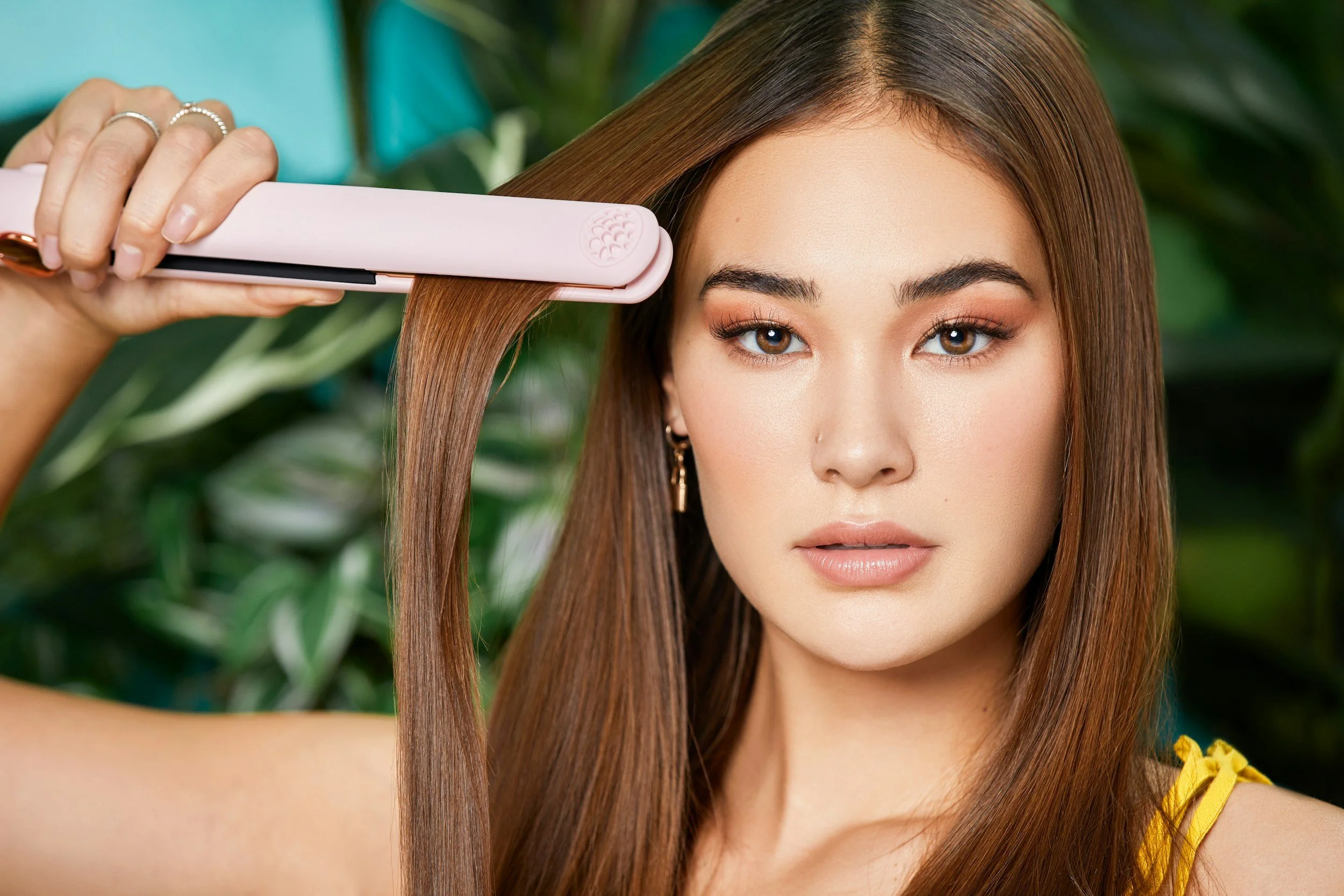
Although human hair wigs can be heat styled, excessive heat combined with winter dryness can cause damage.
Limit flat ironing and curling
Always use a heat protectant for human hair wigs
Stick to low or medium heat
Less heat helps maintain healthy human hair wigs during colder months.
5. Why Wearing a Hat Over a Human Hair Wig Can Be Problematic
While hats are a winter staple, wearing one over a human hair wig can actually cause more harm than good. Unlike natural hair, human hair wigs are not attached to the scalp and don’t receive natural oils or airflow, making them more vulnerable to friction and dryness.
When a hat is worn over a wig, it can:
Create excess friction, leading to tangling and matting
Flatten the style and disturb the wig’s shape
Increase dryness due to constant rubbing
Cause shedding or breakage, especially at the crown and nape
Tight or rough hat materials can also place stress on the wig cap and hair knots, shortening the lifespan of the wig.
The Best Alternatives to Wearing a Hat
If you need warmth or coverage during colder months, there are safer options that protect both your comfort and your wig:
Choose Wig-Friendly Headwear
Opt for soft-lined hats, turbans, or beanies with satin or silk interiors. These materials reduce friction and help retain moisture.
Use a Silk or Satin Wig Liner
Wearing a silk or satin liner underneath a hat creates a protective barrier between the wig and the hat, minimizing rubbing and moisture loss.
Consider a Hooded Coat Instead
A coat with a roomy hood offers warmth without the tight pressure or constant friction that hats create.
Consider wearing a Hat Fall / Hairband Hair
6. Proper Storage Protects Your Human Hair Wig
Correct storage is an often-overlooked part of human hair wig maintenance.
Store on a wig stand, mannequin head , and or silk bag
Keep away from radiators and heaters
Lightly detangle before storing
Proper storage helps prevent tangling, dryness, and shedding.
Final Thoughts: Winter Human Hair Wig Maintenance Matters
With extra brushing, deep conditioning, and consistent moisture, your human hair wig can stay beautiful all winter long. A solid winter care routine not only improves appearance but also extends the lifespan of your wig.
Invest in proper human hair wig care, and your wig will reward you with softness, shine, and longevity—even in the coldest months.
